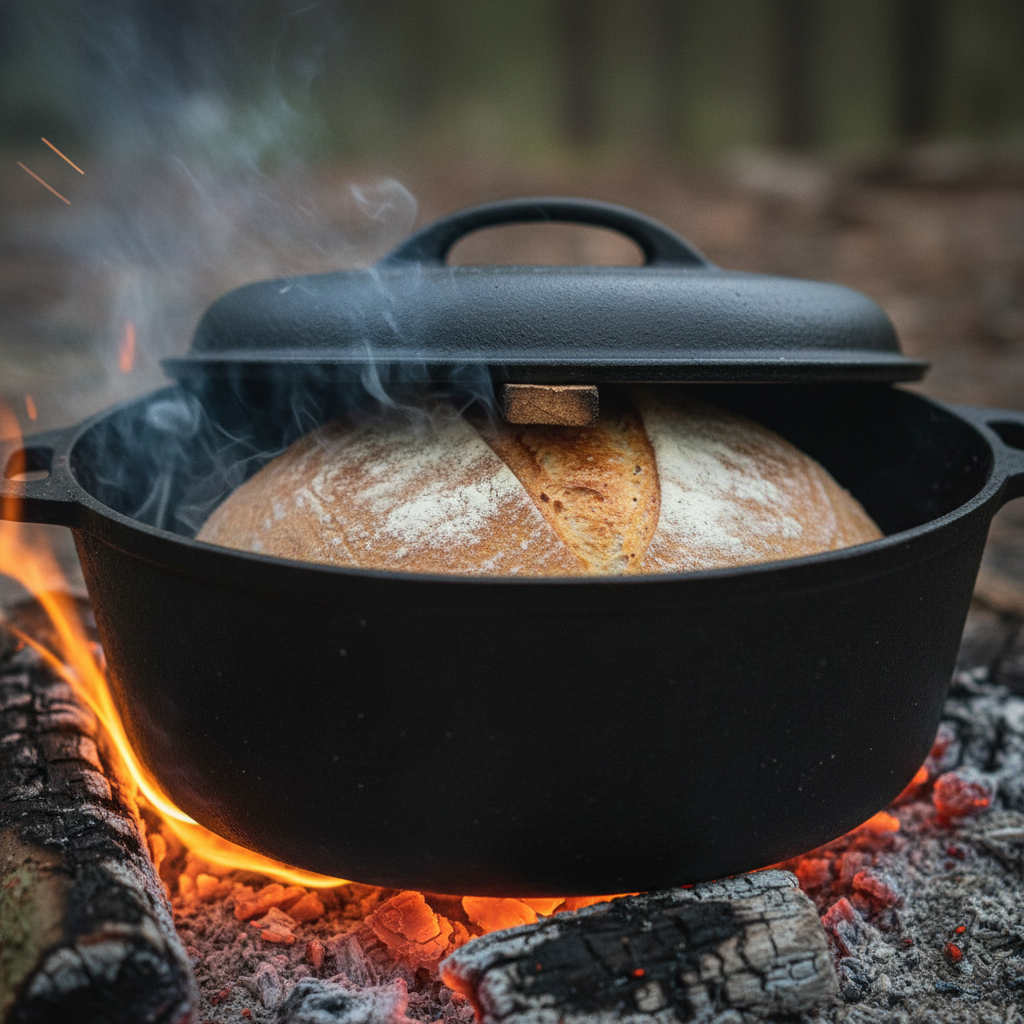
Dutch Oven Cooking & Community
Everything Good
Takes Time
and Heat.
A letter, a recipe, a fire. Weekly dispatches for backyard pitmasters, homestead bakers, and anyone who counts coals like coins.
Free. No spam. Unsubscribe anytime.
One cracked lid at an estate sale changed everything.
It was a Saturday morning, a folding table in a damp barn, and a ten-dollar cast iron pot with a hairline crack across the lid. The seller said it was decorative. I said I'd figure something out. I drove home with it on the passenger seat like a passenger, slightly unsure of what I'd just committed to.
The crack didn't matter. Lodge makes them better. But that pot — that particular imperfect pot — is still in my shed.
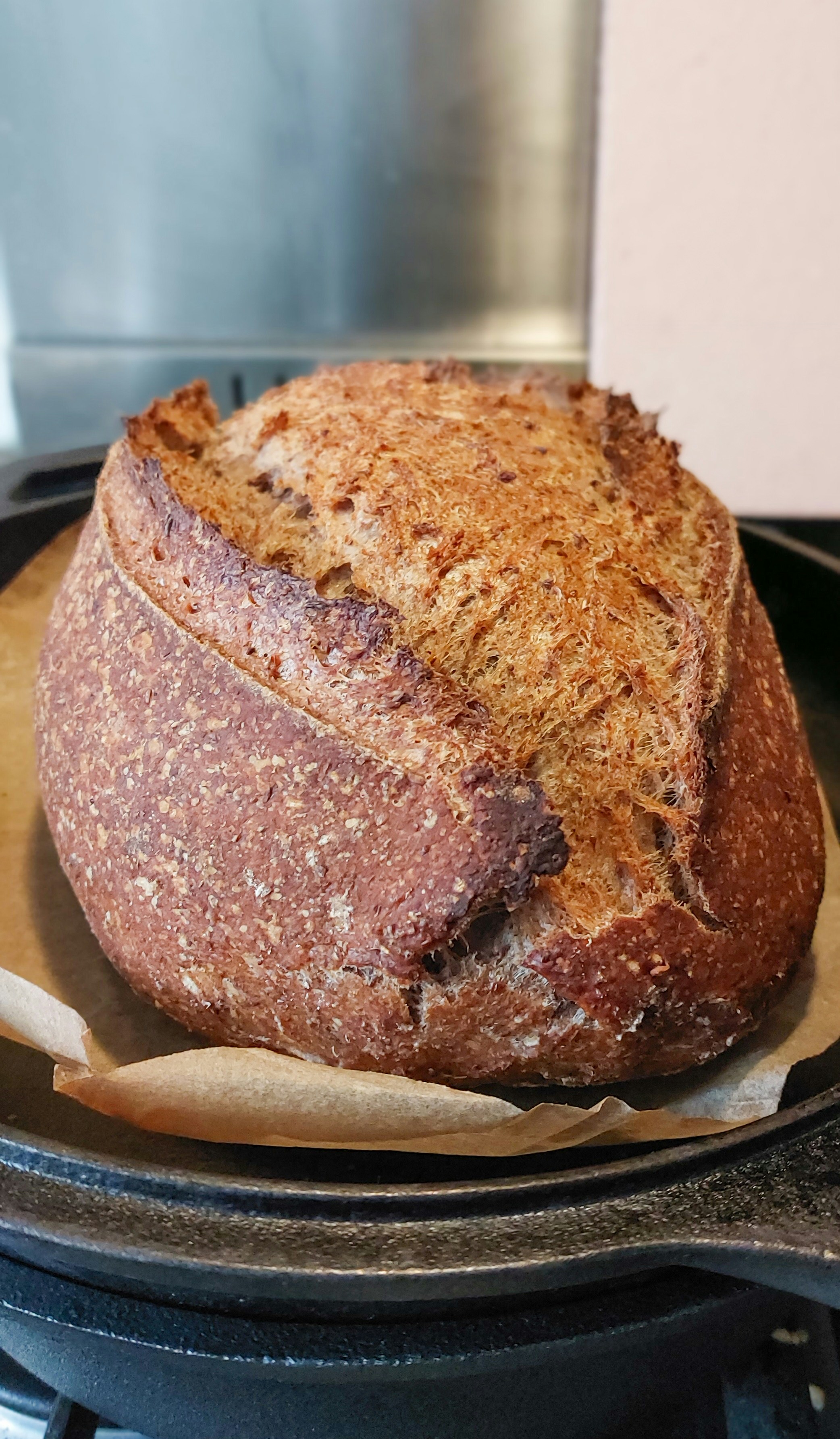
The Lodge 12-inch. Eleven coals on bottom, fifteen on top. The first real loaf.
The first bread was a disaster. Too much bottom heat, not enough top. A dense, gummy disc with a crust the color of regret. I ate it anyway. The second loaf was better. The third was the one I gave away.
Failure is the only real curriculum in Dutch oven cooking. The heat is unforgiving and honest. It tells you exactly what you did wrong, and it tells you immediately.
Here it is. The one that made me realize this was worth teaching. No embellishment — just flour, water, salt, time, and the right number of coals.
Campfire Sourdough Boule
Lodge 12-inch Dutch Oven · Serves 6–8 · 45 minutes active
Ingredients
- 450g bread flour (plus extra for dusting)
- 320ml warm water (about 38°C)
- 90g active sourdough starter
- 9g fine sea salt
- 1 tsp rice flour (for dusting banneton)
Method
- 1.Mix flour, starter, and water. Rest 30 min. Add salt, fold four times over 2 hours.
- 2.Shape into a tight round. Place in floured banneton seam-side up. Refrigerate overnight.
- 3.Light 24 briquettes in a chimney. Wait until ashed over — about 15 minutes.
- 4.Preheat Dutch oven with lid on for 10 minutes. Score dough with a razor — one deep cross.
- 5.Lower dough into pot. Replace lid. 10 coals under, 14 on top. Bake 35 minutes covered.
- 6.Remove lid. Bake 10 more minutes until crust is deep amber. Tap the bottom — it should sound hollow.
This is what arrives in your inbox every week — complete recipes with coal counts, timing, and the reason behind every step.
I started sending the recipe letter to eleven people. A Scout leader in Vermont wrote back with a photo of twelve-year-olds counting briquettes like coins. A homesteader in Oregon sent her Wednesday sourdough. A pitmaster in Tennessee attached a photo of his Lodge buried in hickory coals.
That's the Fire Circle. 4,200 letters out every Thursday morning. One pot, one fire, one recipe at a time.
The letter goes out Thursday.
One recipe. One technique note. One story from the community. Free, always.
Get the LetterThe only real problems are too much heat, or the wrong kind.
Everything else is patience. These are the four things worth knowing before your first fire.
Coal Counting
The 1/3 rule — and when to break it.
For a 12-inch Dutch oven, the standard is 10 coals on the bottom, 14 on the lid. This gives approximately 350°F. Every additional 2 coals adds roughly 25°F. The rule breaks down in wind — always add two extra on the lid.
Heat Management
Bottom heat bakes. Top heat browns.
The most common failure is too much bottom heat. If your bread is burning on the base and raw on top, move two coals from under to over. Cast iron holds heat long after the coals cool — plan your timing accordingly.
Seasoning & Care
Oil baked into iron. That's all it is.
Lodge pre-seasons everything. Your job is to maintain it. After every cook: rinse with hot water, dry completely over heat, apply a thin coat of flaxseed or vegetable oil while warm. Never soap. Never dishwasher. Never air-dry.
Timing & Patience
Check once. Trust the process.
Every time you lift the lid you lose 10–15 minutes of baking time. Dutch oven cooking rewards restraint. Set your coal count, set your timer, and walk away. The pot knows what it's doing.
4,200 letters out every Thursday. One pot at a time.
4,200+
Letters sent each Thursday
12
Years of cast iron practice
340+
Recipes in the archive
47
States in the community
I've hauled my Lodge 12-inch to forty-seven campsites. The Ember letter is the only thing I read before I pack.

Dale Whitmore
Backyard Pitmaster · Nashville, TN
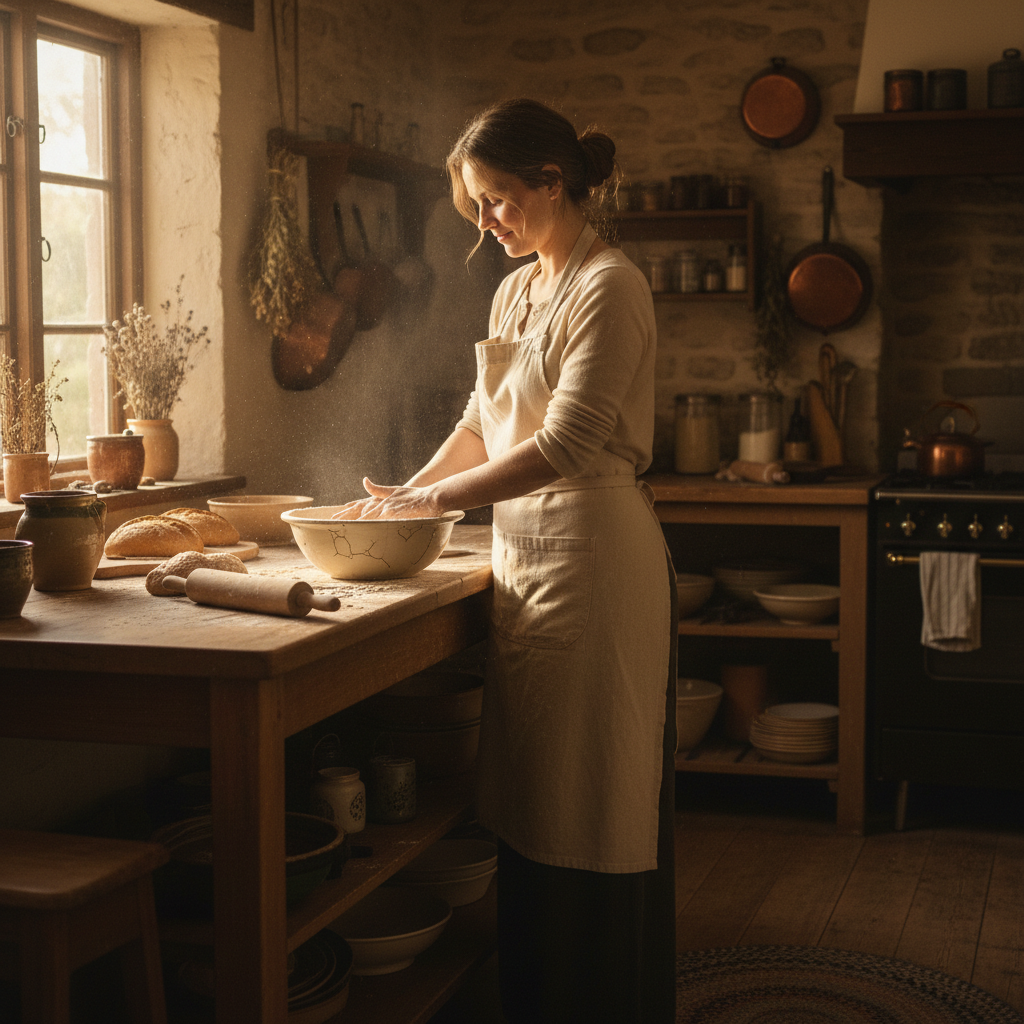
Wednesday sourdough has become a ritual. The coal count method changed the crust entirely — I can't explain it any other way.
Ruth Calloway
Homestead Baker · Eugene, OR
Teaching twelve-year-olds to count briquettes like coins is the best lesson in patience I've ever given. Ember made that lesson possible.

Marcus Treadwell
Scout Leader, Troop 47 · Burlington, VT
Five chapters.One fire.
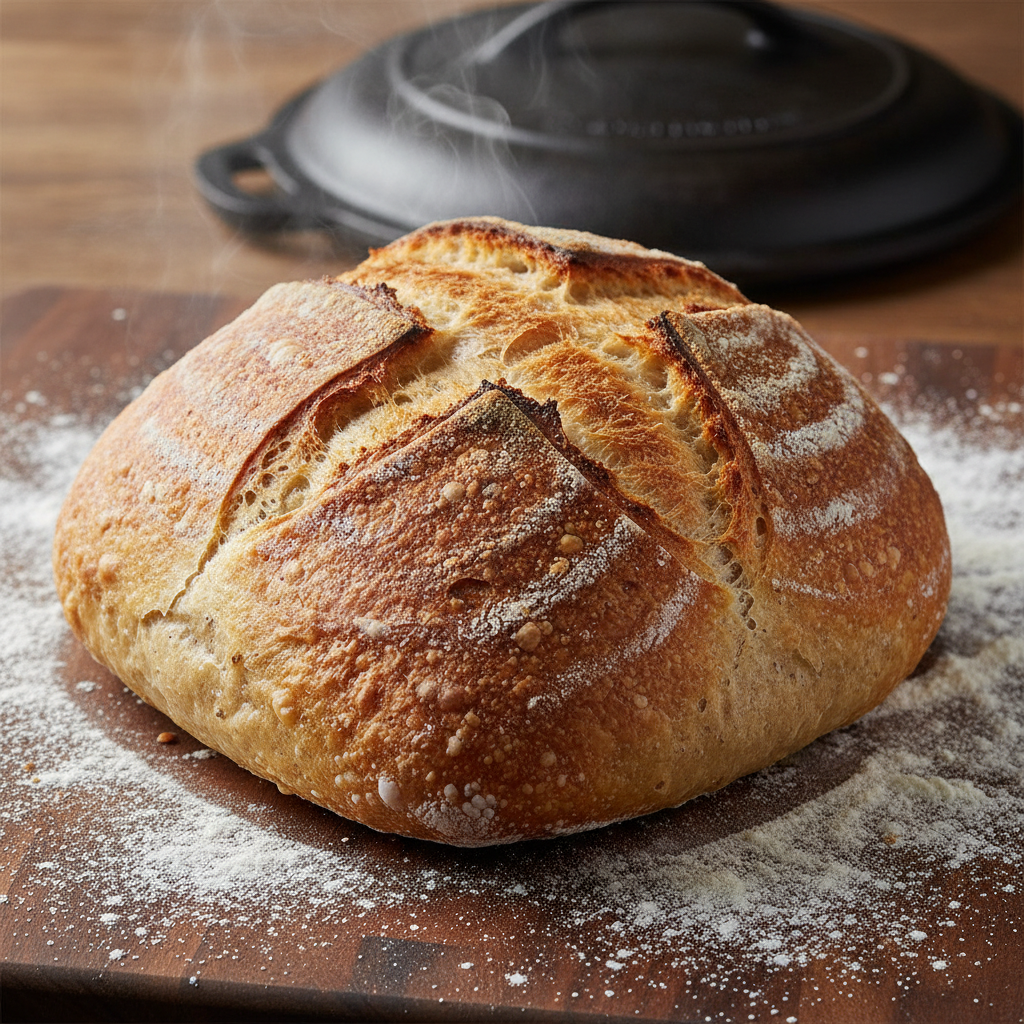

The letter goes out
every Thursday.
One complete recipe with coal counts and timing. One technique note. One story from the community. It takes about ten minutes to read and the recipe works every time.
Free. No spam. Unsubscribe with one click.